

Greater Patchogue coverage is funded in part by New Village at Patchogue, offering open-concept rental residences with contemporary design in the heart of downtown Patchogue.
Brookhaven officials have already identified several sanctuaries willing to take in animals from The Holtsville Zoo as the town prepares to shut down the 46-year-old facility — but they’ve rejected a standing offer from Humane Long Island to immediately relocate the animals at no cost.
Town spokesperson Drew Scott said officials have spoken with Quogue Wildlife Refuge, Hoyt Farm in Commack and Sweetbriar Nature Center in Smithtown about accepting animals from the facility, which is set to close by April 1, 2026. He added that the town hopes to complete animal relocations by the first quarter of 2026 and will prioritize moving birds and mammals susceptible to winter cold.
“We don’t plan to work with Humane Long Island since the town has already made connections with other animal refuge organizations,” Scott said. “The effort to close is entirely budgetary since the zoo costs the town more than $2 million a year, and the town supervisor and town board don’t feel it’s appropriate for a town to be in the animal refuge business any longer.”
Wouldn’t ‘charge the town a cent’
Humane Long Island President John Di Leonardo said his animal rescue and care nonprofit is ready to begin the relocation process right away — and without charging the town a cent.
He said his group has secured commitments from multiple sanctuaries willing to take in animals from Holtsville.
The Big Cat Alliance is prepared to accept the large cats, Reputable Farmed Animals will take in farm animals, Hop Along Hollow has agreed to take all of the rabbits, and Charter Rescue Hamptons has committed to housing all reptiles, Di Leonardo said.
“These are all things that literally could be done today if the town wanted to,” Di Leonardo said. “We can move many of the animals out immediately, give them veterinary attention, and place them in sanctuaries where they can live healthy, natural lives — all at no cost to the town.”
Town Supervisor Dan Panico, who announced the closure plan as part of the 2026 town budget, emphasized that shifting attitudes and fiscal realities drove the decision.
“We want to make sure all the animals go to a place where they should be,” Panico said. “I think people’s attitudes [about zoos] in general in society have changed.
“It’s so far out of the scope of what the town government should be doing, that especially in these budgetary times,” he continued, “you should dedicate the precious tax dollars you get toward the operation of the building department and parks and things of that nature.”
‘Kicking and screaming’
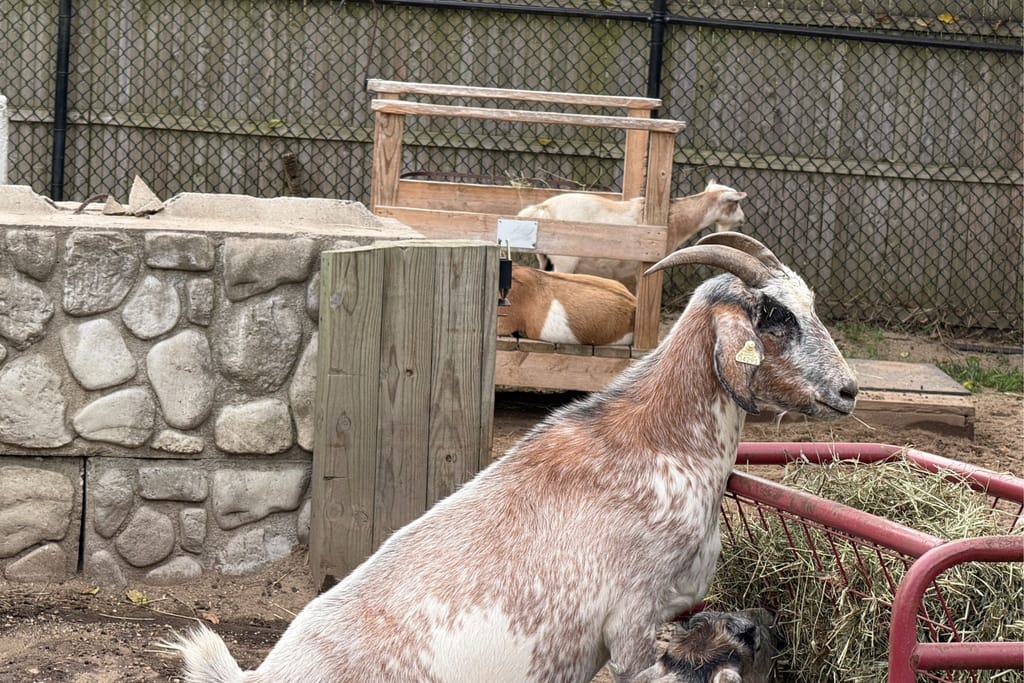
Over the years, generations of Long Islanders have brought their children to the Holtsville site, also known as the Holtsville Ecology Site, cherishing it as a family tradition and a place to learn about animals firsthand. Many parents recall childhood visits and have passed the tradition down to their own kids.
Former Holtsville worker Kaitlyn Lombardi of Ronkonkoma, who briefly worked at the zoo in 2024 and left over what she described as deplorable conditions for the animals, said she understands that emotional connection but believes nostalgia alone isn’t justification for keeping the facility open.
“Nostalgia isn’t an excuse for it,” she said.
Lombardi described cramped, deteriorating enclosures; poor conditions for rabbits and cats; and what she characterized as a general neglect approach to care for the animals. Her concerns echoed complaints made by other former employees that led to investigations by the Suffolk County District Attorney’s Office and the state Department of Environmental Conservation.
Di Leonardo said if children “knew how these animals were being mistreated, they’d run away from it kicking and screaming.”
“This is an opportunity to teach kids compassion and show them that animals belong in the wild or in reputable sanctuaries with experts and large naturalistic enclosures — not living on concrete at a former landfill,” said Di Leonardo, whose group had pushed hard for the closure of the zoo.
The Holtsville Ecology Site opened in 1979 on a former landfill, a location Di Leonardo said contributed to unsafe conditions for animals, including exposure to trash and potential lead contamination in soil and water.
Honey the bear’s death
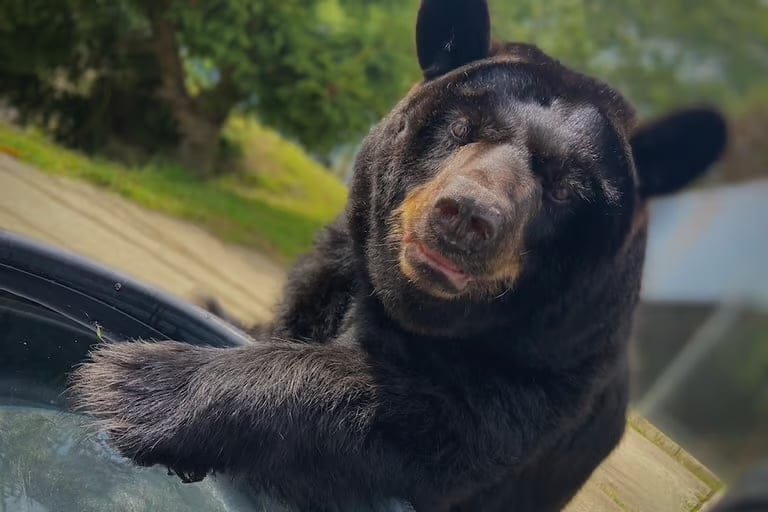
The 2024 euthanization of Honey, an elderly black bear, became a rallying point for advocates who pushed for the sanctuary’s closure after years of allegations of neglect and inadequate veterinary care.
Under the town’s plan, sanctuary staff will remain funded through the first quarter of 2026 as officials carry out what Panico described as a “methodical” wind-down. A public hearing on the proposed budget is scheduled for Nov. 6 at 5 p.m.
Di Leonardo praised the decision to close but criticized the town’s refusal to accept their relocation assistance.
“The town failed these animals for decades. It needs to do this right and place the animals at reputable sanctuaries where they can get the specialized care they need to live more natural lives,” he said.
“The Global Federation of Animal Sanctuaries and the Big Cat Alliance are accrediting organizations with high standards that exceed those met by any of the facilities so far mentioned by the town.”
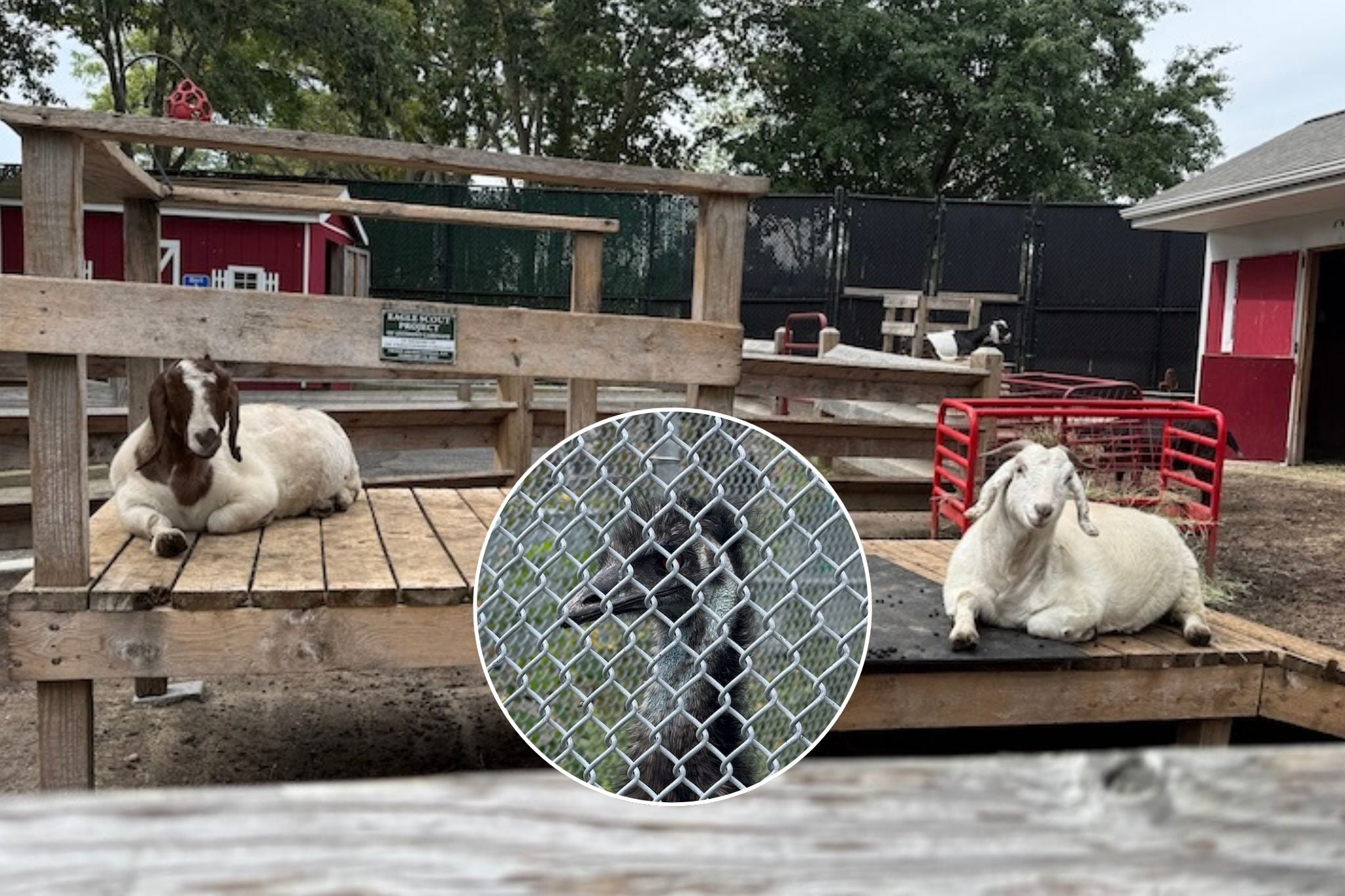
Top photos: The Holtsville Zoo (Credit: Nicholas Esposito).
Prior coverage

Your Long Island news, delivered.
Subscribe to the GLI Newsletter — its free