

Greater East End coverage is funded in part by The Watershed Kitchen & Inn — a warm, stylish North Fork destination in S. Jamesport featuring elevated comfort food, craft cocktails and beautiful boutique accommodations.
Two major offshore wind projects designed to power more than 1.1 million homes across Long Island and New York City have been put on hold after the Trump administration ordered a nationwide pause on large-scale offshore wind development last week.
The U.S. Department of the Interior announced Monday, Dec. 22, that it is imposing a 90-day halt on offshore wind construction, including Sunrise Wind off Montauk Point and Empire Wind 1 south of Long Island, citing potential national security concerns tied to radar interference from massive turbine blades and towers.
According to the department, unclassified reports found that the movement of turbine blades and the reflectivity of the towers can create “clutter” on radar systems.
Federal officials said the pause is intended to give the government time to work with leaseholders and state partners to mitigate any identified security risks.
Impact on the Northeast
Five offshore wind projects were affected by the pause, including Sunrise Wind and Empire Wind 1 off Long Island’s coast.
With the exception of one project off Virginia, all of the halted developments are designed to provide electricity to communities in New York, Connecticut, Massachusetts, and Rhode Island.
The governors of those four states released a joint statement condemning the decision.
“The Trump administration’s announcement yesterday pausing offshore wind leases is its latest egregious attack on clean energy and it lands like a lump of dirty coal for the holiday season for American workers, consumers, and investors,” the statement said.
The governors warned that the pause could drive up energy costs for ratepayers, threaten grid reliability, slash thousands of jobs, and undermine the region’s push for energy independence.
Impact on Long Island
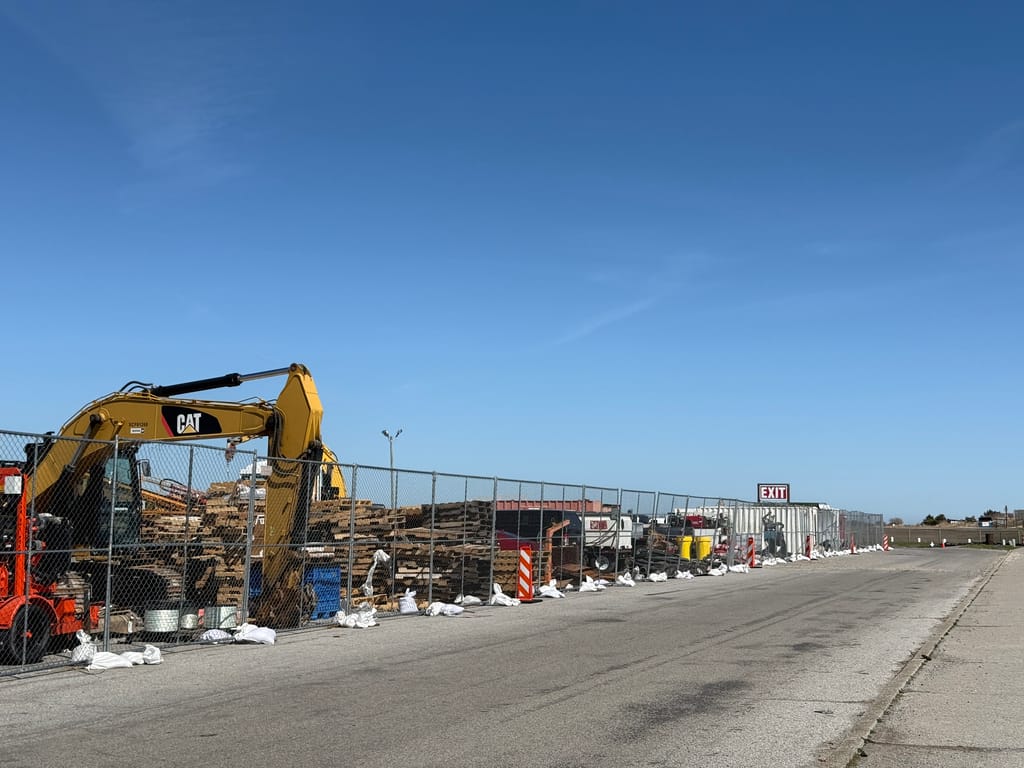
Sunrise Wind, developed by Ørsted, is a 924-megawatt offshore wind farm located about 30 miles off Montauk Point. The project is designed to connect to the electric grid at the Holbrook Substation and generate enough power for approximately 600,000 homes.
“Ørsted is evaluating all options to resolve the matter expeditiously, together with its partners,” the company said in a statement. “This includes engagement with BOEM (Bureau of Ocean Energy Management) and other permitting agencies as well as the evaluation of potential legal proceedings.”
As part of a community benefits agreement finalized two years ago, Ørsted committed to a $168.9 million package for Suffolk County. Of that total, the Town of Brookhaven is set to receive $130 million, with the remaining funds distributed to the county and local school districts.
“In the case of Sunrise Wind, we remain hopeful that the federal government will work with Ørsted, and our federal reps to find a pathway forward for a project that provides an abundance of good-paying local jobs and needed power for our island,” said Brookhaven Town Supervisor Dan Panico.
Sunrise Wind is in advanced stages of construction and had been scheduled to begin delivering power to Long Island homes in 2026.
Impact on NYC
Empire Wind 1, New York City’s first offshore wind farm, was also included in the federal pause. The project is expected to power roughly 500,000 homes and includes 54 turbines being built between 15 and 30 miles south of Long Island.
Each turbine is designed to generate 15 megawatts of electricity, which would be transmitted to an offshore substation before reaching the grid.
“Empire Wind is engaging with relevant authorities to better understand this matter,” developer Equinor said in a statement. “Equinor has extensive experience in the U.S. and around the world operating offshore energy infrastructure and working with military and civilian authorities to ensure compliance with national security requirements.”
The company said it is complying with all relevant security requirements and plans to continue working with the Bureau of Ocean Energy Management and other federal agencies.
Empire Wind 1 is more than 60% complete and is expected to be fully operational in 2027.
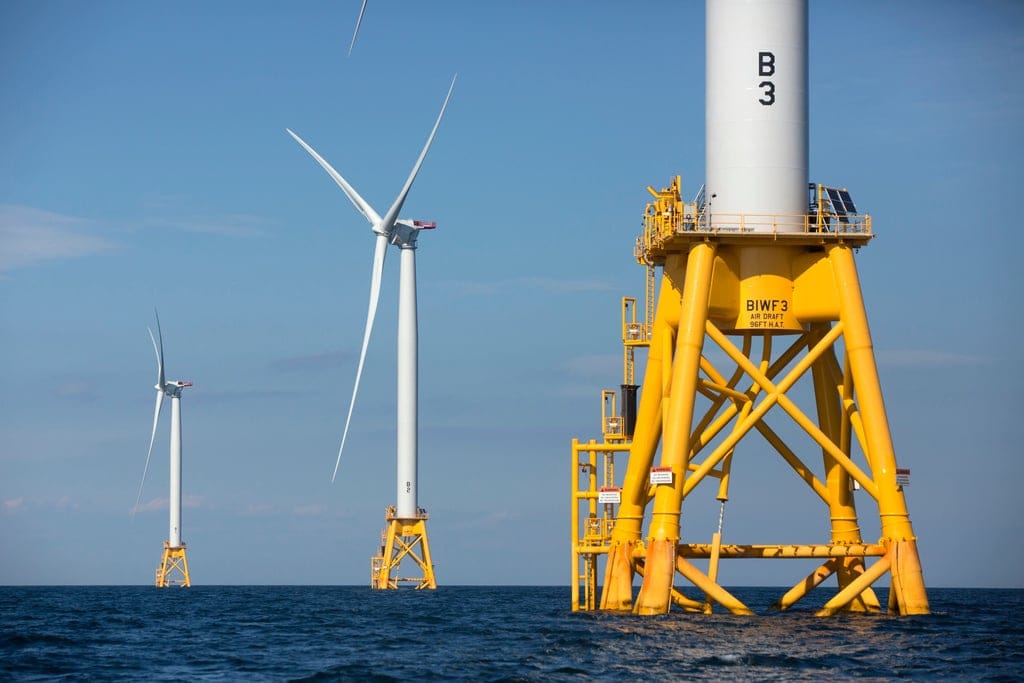
Top: Three of Deepwater Wind’s five turbines stand in the water off Block Island, R.I., Aug. 15, 2016. (AP Photo/Michael Dwyer, File)

Your Long Island news, delivered.
Subscribe to the GLI Newsletter — its free