
Artificial intelligence is forcing a new conversation about the future of work.
And for many Long Islanders, it’s prompting a rethink of the traditional four-year college path.
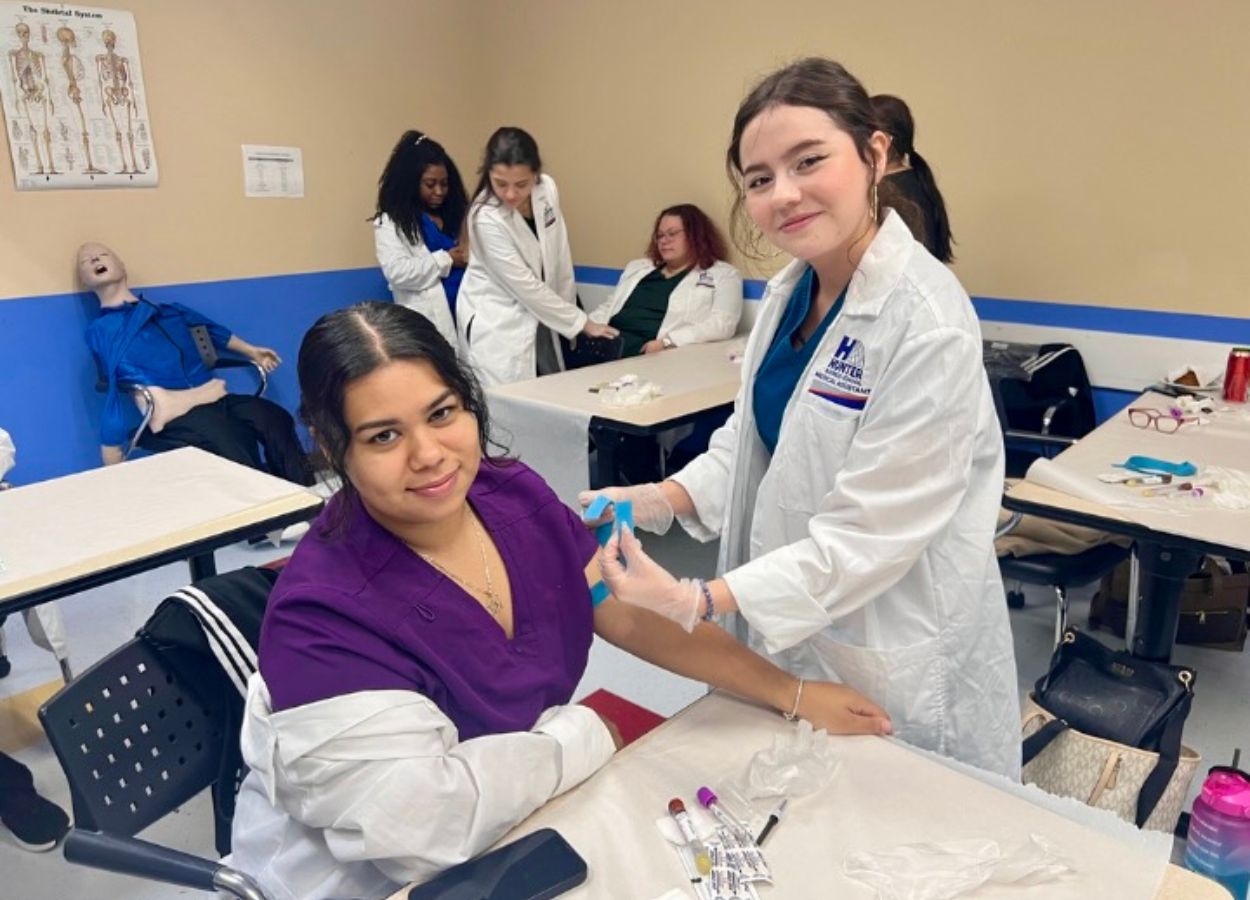
Administrators at Hunter Business School say they’re seeing increased interest from both recent graduates and career changers exploring training programs that lead directly to hands-on roles in healthcare and technology.
“Everyone’s talking about AI like it’s going to replace the workforce, and for some careers or traditional majors, that’s a real conversation,” said Jay Fund, MSW, the president and owner of Hunter Business School, which was established in 1972 with campuses in Levittown and Medford.
“But here’s what AI can’t do: it can’t take a patient’s vitals. It can’t sit across from someone and walk them through a medical bill. It can’t show up on-site and get the network back online,” he continued. “The careers that require a real human being with real, trained hands … those are becoming more valuable, not less.
“Long Islanders who are rethinking their path are figuring that out, and we’re seeing it firsthand.”
Hunter officials say three forces are helping drive that shift: rapid advances in artificial intelligence that are beginning to reshape some traditional office roles, growing skepticism about the cost and payoff of four-year degrees, and steady demand from local and regional employers for workers with practical healthcare and technology skills.
Those trends are increasingly being reflected in enrollment inquiries, school officials said.
Rising demand
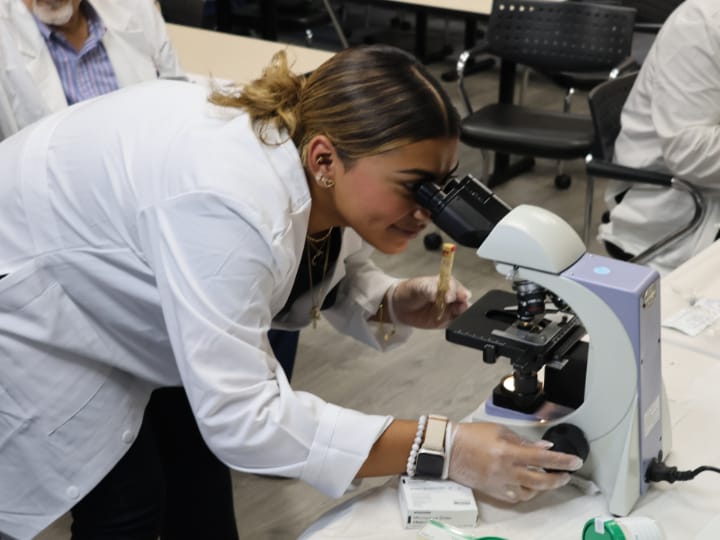
Interest at Hunter Business School is especially strong across two areas: healthcare and technology.
Programs such as Medical Assistant and Medical Billing and Coding prepare students for roles that support the daily operations of physician offices, clinics and hospitals. These are positions that remain essential regardless of economic shifts or emerging technologies.
Healthcare providers across Long Island continue to rely on trained professionals to handle both clinical support and administrative functions, making those roles a steady source of job opportunities, school officials said.
Tech reality
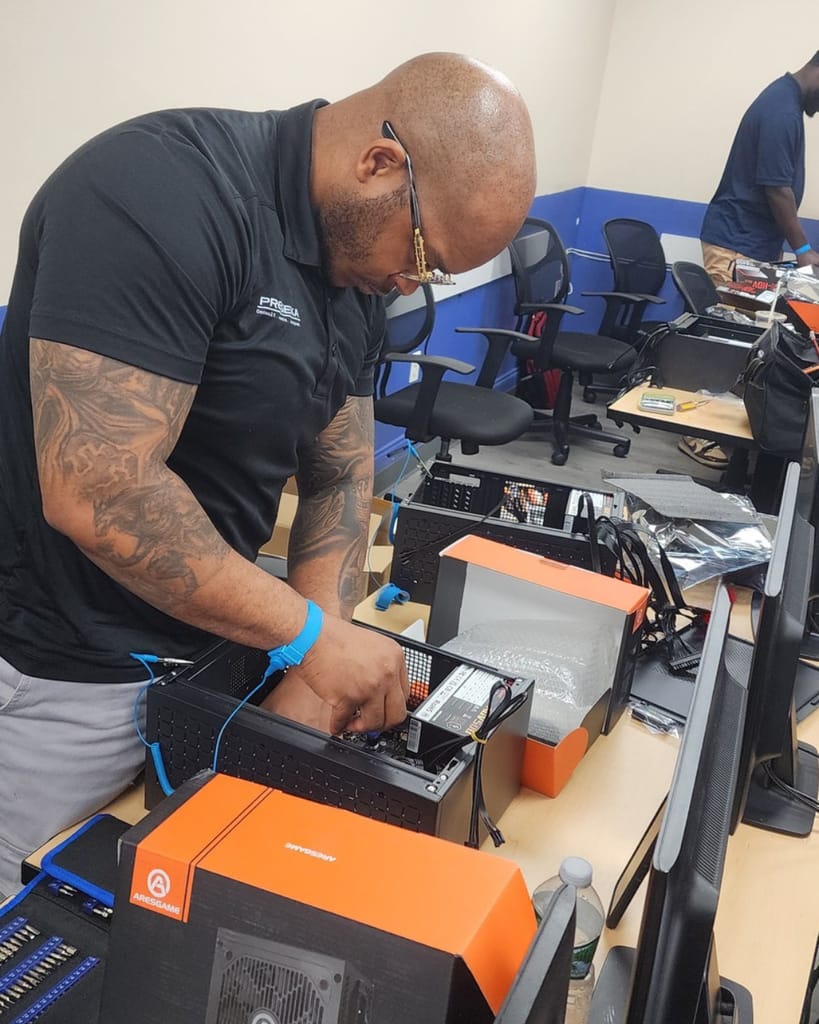
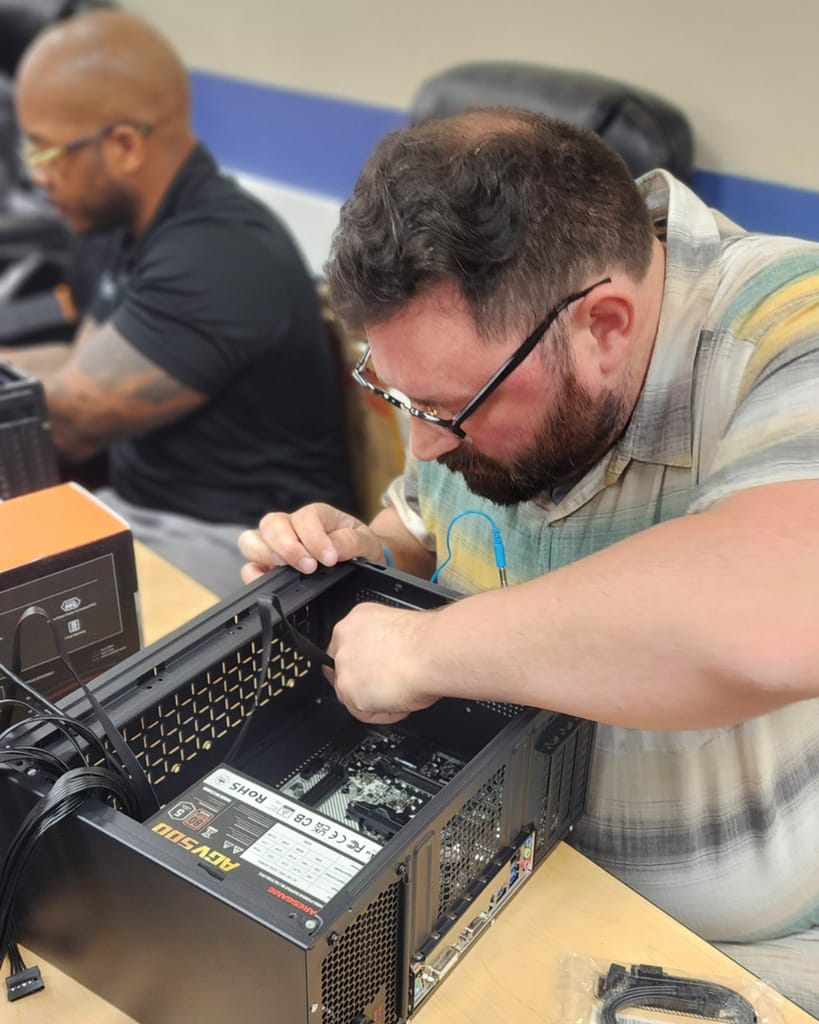
Technology programs are seeing similar attention, particularly from students interested in the infrastructure that supports today’s digital economy.
Hunter Business School’s Computer Technician Networking Specialist program focuses on the hardware, systems and networks businesses rely on daily. Even as companies adopt cloud computing and artificial intelligence tools, those systems still require trained technicians to install, maintain and repair the equipment behind them.
For students interested in software development, the school’s Web Application Design and Development program teaches coding and application development skills while also introducing students to modern tools — including artificial intelligence — that developers increasingly use in their work.
Career reset
School officials say many of the people exploring these programs are not just recent high school graduates.
Increasingly, inquiries are coming from adults in their 30s and 40s who are considering a career change after working in industries that have seen significant disruption from automation or digital transformation (read: layoffs).
Flexible scheduling options, including evening classes and online programs, allow many of those students to pursue new training while continuing to work or manage family responsibilities. Medical Billing and Coding and Web Application Design and Development programs are available online, while other programs offer schedules designed to accommodate working adults.
Employer pipeline, support
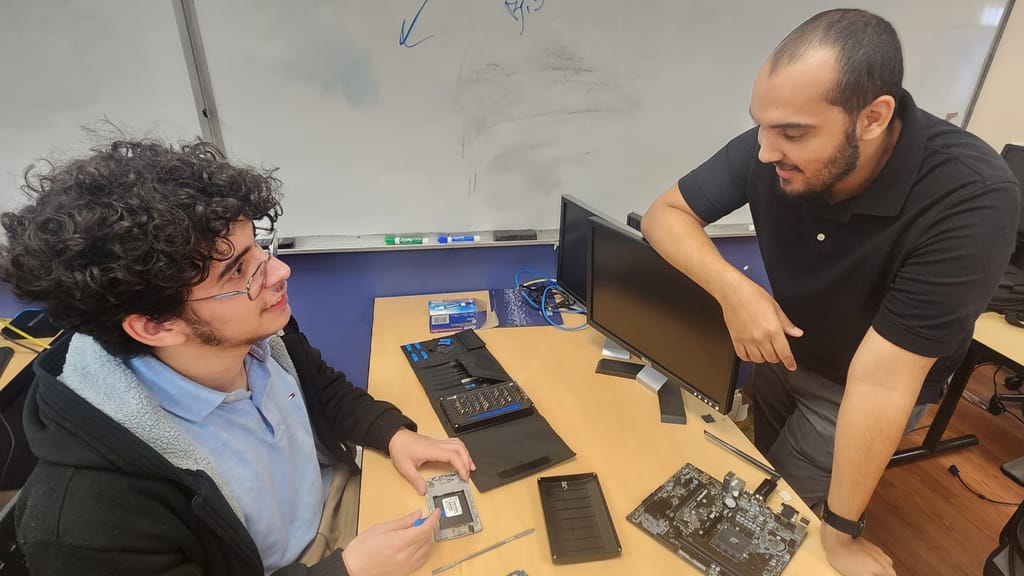
Hunter Business School’s long history on Long Island has also helped build relationships with local employers across Nassau and Suffolk counties.
Each program is supported by advisory boards made up of industry professionals who help ensure the curriculum reflects current workplace expectations.
Those connections allow the school to stay aligned with the needs of medical offices, healthcare providers and technology companies throughout the region. The goal, school officials say, is to ensure graduates enter the workforce prepared with the skills employers expect from day one.
And support for students continues beyond the classroom.
Graduates are paired with Career Services advisors who assist with job placement and professional development as they enter the workforce. The school also offers lifetime placement assistance, allowing graduates to seek guidance if they pursue new opportunities later in their careers.
Medical Assistant graduates often move into roles at physician offices, urgent care centers and specialty practices across Long Island. Medical Billing and Coding graduates work in healthcare administration and insurance-related positions. Computer Technician Networking Specialist graduates pursue careers in IT support and network management, while Web Application Design and Development graduates are prepared for front-end, full-stack or freelance development work.
“There’s a generation of people who did everything right. They went to a four-year college, took on the debt, got the degree … and still found themselves in jobs they aren’t happy with or that AI is now threatening,” Fund said. “That’s a wake-up call.”
“The question people are asking now isn’t ‘what looks good on paper?'” he continued. “It’s ‘what actually leads to a stable career that I can build a life around?’ And increasingly, we find the answer is focused, hands-on training in fields where you have to physically show up to do the work, the kind of training where many of our programs have you career-ready in under a year.
“Not four years from now. Not buried in debt.”

Your Long Island news, delivered.
Subscribe to the GLI Newsletter — its free