Jack Jack’s Coffee House in Babylon played a big role in helping bring the “Urban Farming” concept to Long Island, something that has caught the eye of local and NYC media alike.
Jim Adams of West Babylon was looking for a new way to benefit the community through the local and organic agriculture movement when he met the owners of Jack Jack’s, Mike Sparacino and Vanessa Viola.
As farmers themselves, Sparacino and Viola offered him tips to growing in the local area.
They also helped him publicize his fledgling Long Island Farms effort and the need for volunteers.
Adams left a flier at Jack Jack’s asking people to “consider turning [their] lawn into a small local farm and at the same time eliminating landscaping expenses.”
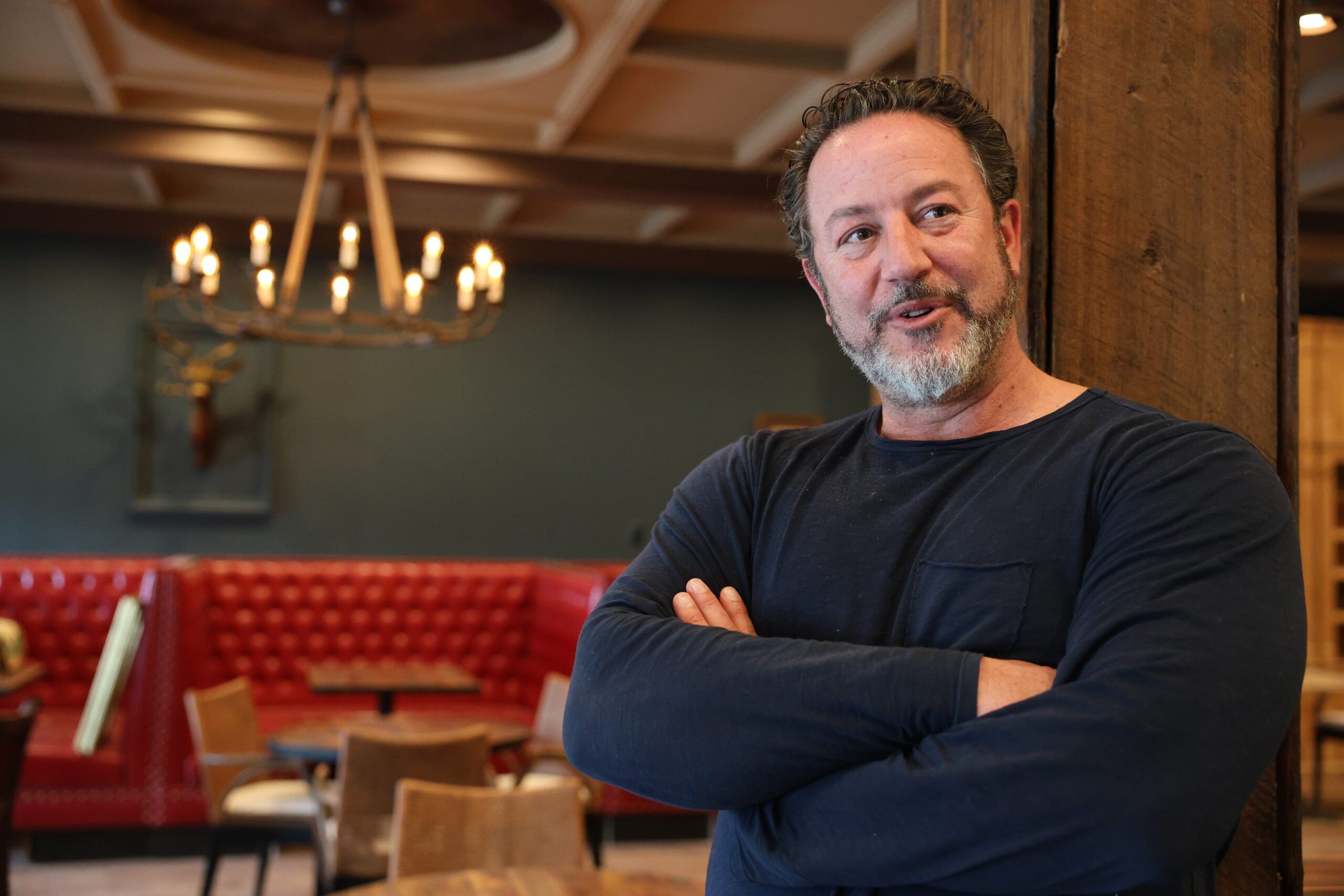
“We are a place to share ideas that might be thinking out of the box,” said Sparacino.”So, when he put the poster up here we had a great response.”
tilling the lawn
Cassandra Trimarco, a physician assistant, who is a frequent customer at Jack Jack’s, was beyond excited to see the flier, being someone who was interested in growing her own food, but was restricted land-wise.
“I would grow little basil in cans, but that never worked out,” she said laughing.
After reading the ad she called immediately.
“[Jack Jack’s] was the catalyst and connection between [Lawn Island Farms] and myself,” she said.
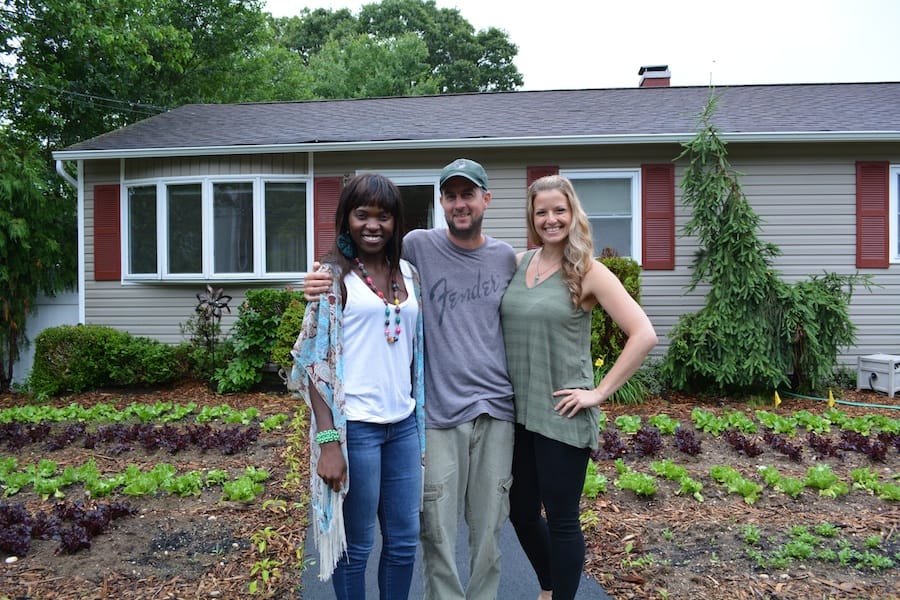
Trimarco’s property was a perfect fit for a farm makeover.
And just this month, her little front-yard farm caught the attention of CBS News New York, with a Newsday report quickly following.
“On Long Island, there is now a ‘front yard to table’ effort and it’s turning heads,” CBS reported.
“We have plenty of land [on Long Island], we shouldn’t be flying in pesticide-filled [crops],” Adams told GreaterBabylon on Friday.
Trimarco moved into her Hyman Avenue house on May 1, and Lawn Island Farms immediately began the conversion process.
According to Lawn Island Farms, it took about two weeks of heavy pilling to get the initial seeds down, but now they are in harvest. Trimarco herself has no farming responsibilities, she just enjoys the view while getting $30 worth of crops per week.
“It’s great; I love it,” said Trimarco, “It’s attracting a lot of great things and it’s beautiful”
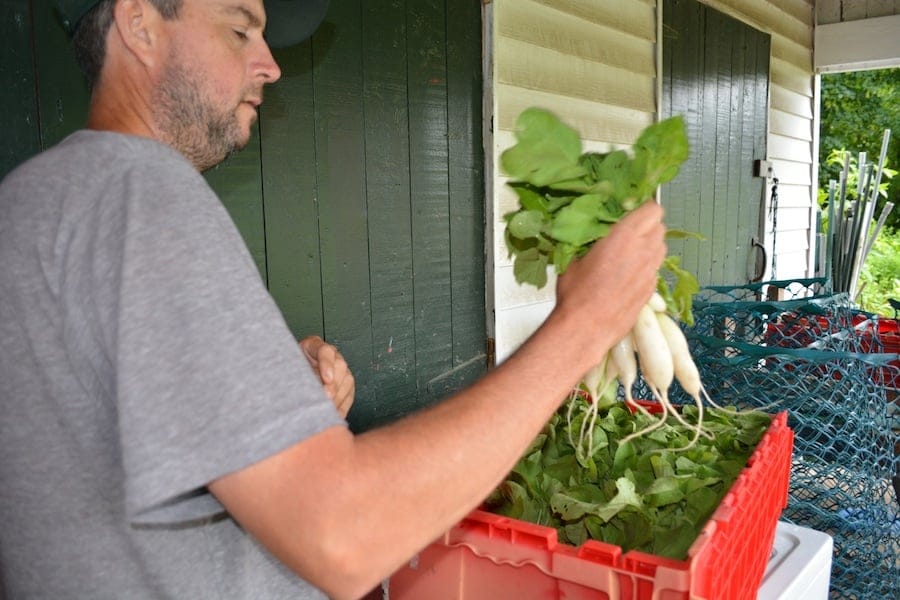
Lawn Island Farms takes the freshly grown produce and sells them to local businesses as well as at farmer markets in Bay Shore and Sayville.
the movement
Jim became interested in urban farming after quitting his pool servicing job after 20 years in search of something more “meaningful.” He had read a book called The Urban Farmer, written by Curtis Stone, which gives guidelines to growing on small plots of land.
Jim and his wife, Rosette Basiima Adams, 34, soon started talking seriously about growing locally. For Rosette, who is from Uganda, she had found it odd to learn Americans didn’t grow their own food.
It wasn’t until she was 25 when she moved to the U.S. that she visited her first grocery store.
“When I first saw a supermarket I was excited and wowed,” she said. “Then I saw the food wasn’t fresh and was genetically modified.”
When Jim met with Sparacino and Viola, the first tip they were given was on a great location to start his farming.
“I recommended [Jim] to grow at St. Peter’s Farm,” said Saparcino.
St. Peter’s Farm is a small agricultural lot hidden behind by the St. Peter’s Episcopal Church in Bay Shore.
Both Jim and Rosette visited the church, where they agreed to take over 10,000 square feet of land and create their Lawn Island Farms.
“We never even knew that land was back there,” said Jim. “Who knew?”
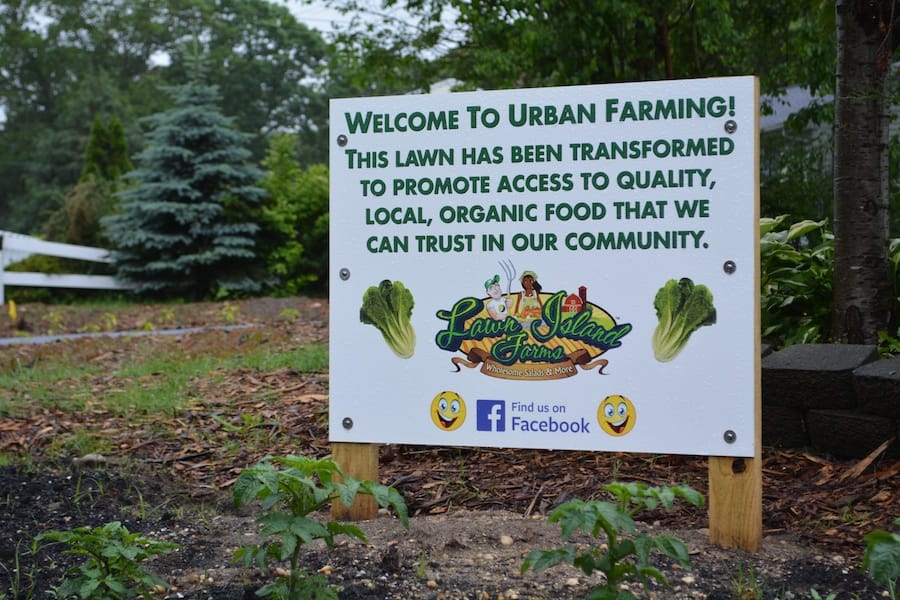
Now, Lawn Island Farms is trying to use their first urban farm’s success story to inspire others to grow locally.
“There are a lot of people who care about where there food comes from and seek it,” said Jim. “But if more of these small farms keep growing then even people who don’t care will be provided with [fresh food].
“They deserve better… we all deserve better.”
If you’d like to support Lawn Island Farms and learn more about their journey click here.



Your Long Island news, delivered.
Subscribe to the GLI Newsletter — its free