
OUR SPONSOR

Greater Bay Shore coverage is funded in part by Shoregate, now leasing brand-new premium apartment homes in the heart of Bay Shore. Click here to schedule a tour.
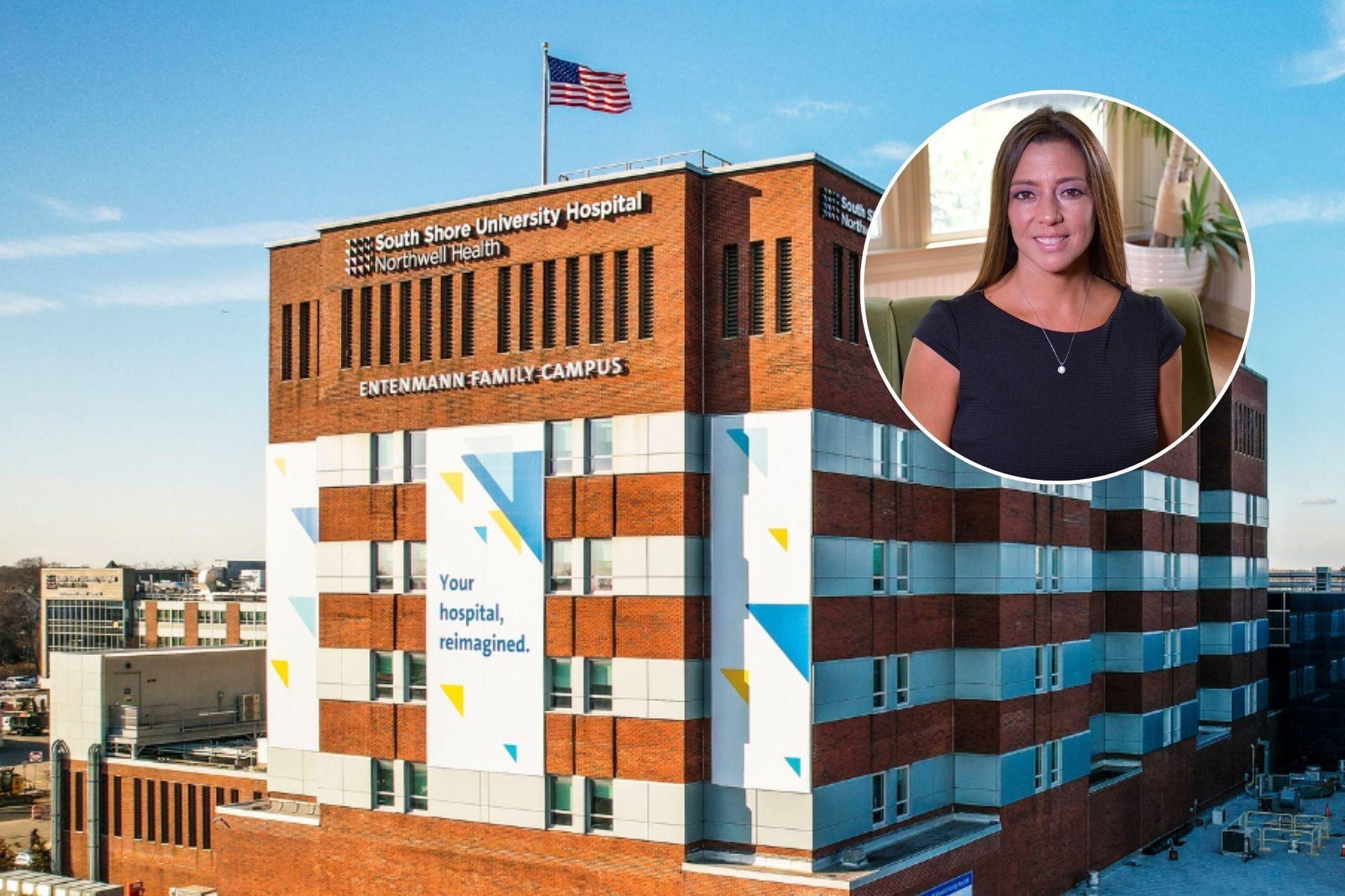
State Sen. Monica Martinez is leading the opposition to the elimination of live, in-person interpreter services at South Shore University Hospital, calling the change detrimental to patient care and community trust.
Martinez said the Bay Shore hospital’s decision to phase out Spanish-speaking translators, as well as interpreters for other patients and families with limited English proficiency, places a burden on non-English-speaking patients and can adversely affect their quality of care.
Northwell Health recently announced that the hospital will transition from its longstanding in-house Spanish interpreter program — which operated for 23 years — to a phone and video-based system.
Hospital officials said the new system, which includes a 24/7 “Language Line” already used for other languages, offers fast and accurate access for Spanish-speaking patients.
However, critics contend that remote interpretation lacks the cultural nuance and immediacy that in-person translators bring. Former language-access staff have said that technology cannot replace the sensitivity, culture and familiarity of a live interpreter.
A petition has been launched urging Northwell Health to reinstate in-person Spanish interpreters at South Shore University Hospital. It cites delays and a lack of cultural nuance with remote services and calls for community input to ensure quality care for Spanish-speaking patients.
Martinez emphasized that many Spanish-speaking patients and other non-English-speaking patients already face language barriers, limited resources and mistrust of the health-care system.
Northwell has said it remains committed to serving the Spanish-speaking community, but Martinez and other advocates argue that a virtual model cannot fully replace the hands-on support and cultural competence of an interpreter standing by a bedside at South Shore (formerly called Southside Hospital).
“Patients who cannot communicate effectively are at risk of receiving incomplete or incorrect medical attention, which undermines health outcomes and the mission of our hospitals,” she said.
Top photos: Facebook

Your Long Island news, delivered.
Subscribe to the GLI Newsletter — its free