

Greater Long Island coverage is funded in part by Toresco & Simonelli, a boutique injury and family law firm in West Islip. They fight for their clients. Click here to get in touch.
Opinion |
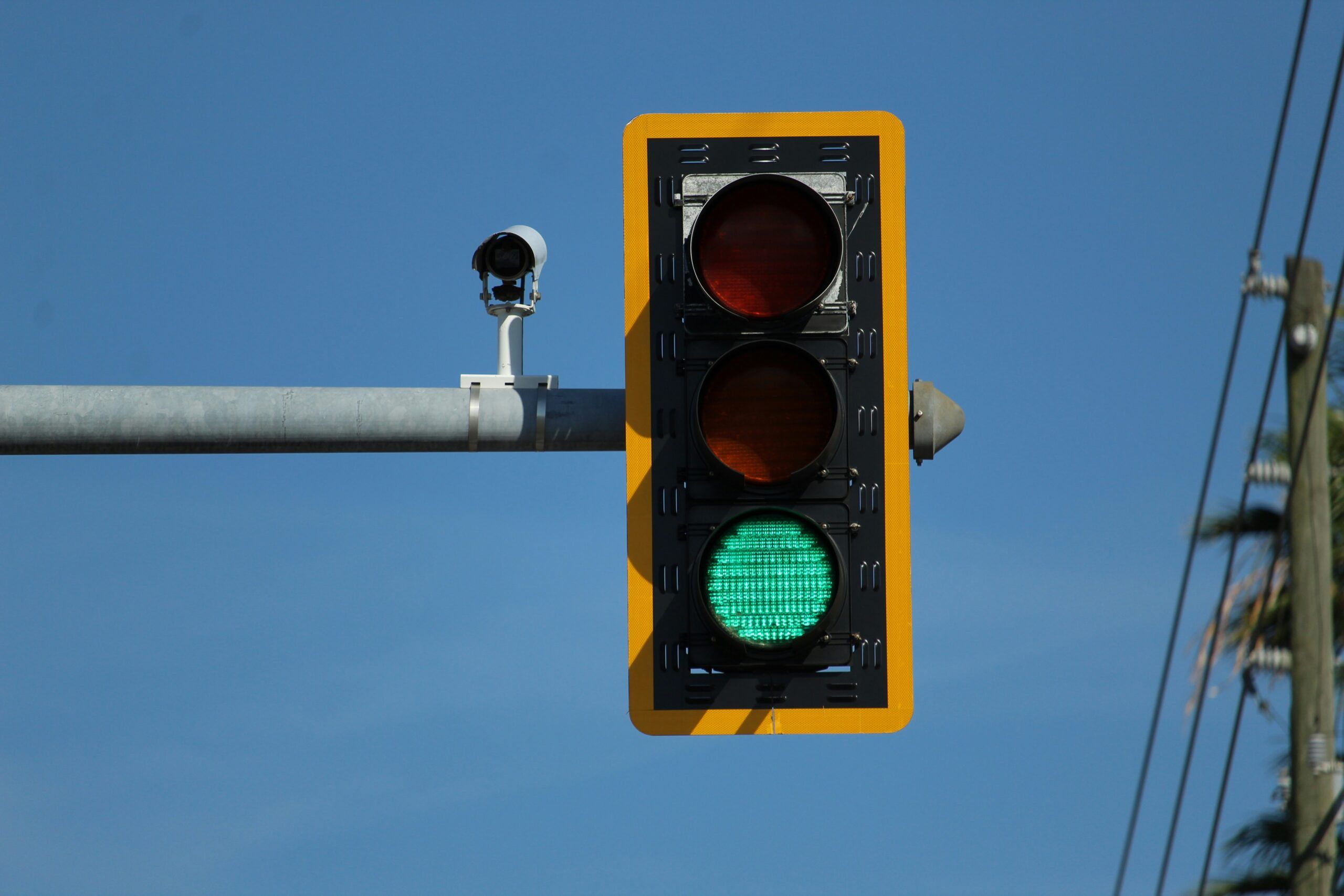
Last week, Newsday reported on what looks like the end of Suffolk County’s 15-year red light camera program, with lawmakers trading blame over who might be at fault. (Even though most constituents are probably thrilled.)
The article contains the requisite graph that: “supporters of red light cameras say they deter speeding and reduce crashes. Critics call the program a cash grab by municipalities.”
But there are opinions in between.
Take this one:
Use the cameras to actually target dangerous drivers, not regular people.
When a camera first got mounted at the massive intersection of Jericho Turnpike and Townline Road in Commack, my family and I were all for it.
We had long witnessed the occasional nut flying through the intersection at a standing red light, mostly at nighttime when other headlights would be hard to miss, but a pedestrian might not be.
Good, we thought, finally nail these guys!
It didn’t take long to realize — after getting that first ticket in the mail for not coming to a complete stop before making a right on red at the White Castle — that the county wasn’t targeting the scofflaws, like we had hoped.
They were targeting us.
The county was reaching its hands into the pockets of law-abiding working people who were simply going about their lives.
We’ve all been trained over the course of decades to know what’s acceptable behavior in the eyes of local law enforcement, and what is not. You could drive for 100 years and never get pulled over for making a right turn on red without first coming to a complete stop when the lanes are clear.
Passing on the shoulder of a two-lane highway when a car is stopped to turn left is illegal, too. No one gets ticketed for that.
And a motorist tying to decide what to do at a yellow light (which are all timed differently and hard to predict) is a judgement call, right or wrong. Even when you’re slowing down, several factors are at play on whether to stop or proceed through the intersection, such as the weather and cars behind you.
It’s then up to a police officer who might witness your actions to decide whether or not to pull your car over and issue a summons. Then the cop would have to make his argument in court.
This camera program neither makes nor considers any judgement calls; the cameras are simply timed to nail you the second the light turns red.
Therein lies the cash grab.
Studies have shown differing conclusions on the safety efficacy of red light cameras. The vast majority of them, though the sources and funding of such studies are worth a look at, mostly find they help reduce serious crashes at intersections, even if rear-ends and sideswipes actually go up.
There might be a place for a camera program. The crosshairs just need to be trained on the true violators blowing actual red lights, something blatant, perhaps 2-3 seconds after the light switches from yellow to red.
But we could all suppose there’s no money in that. So for now, good riddance.
Photo by Eliobed Suarez on Unsplash

Your Long Island news, delivered.
Subscribe to the GLI Newsletter — its free