
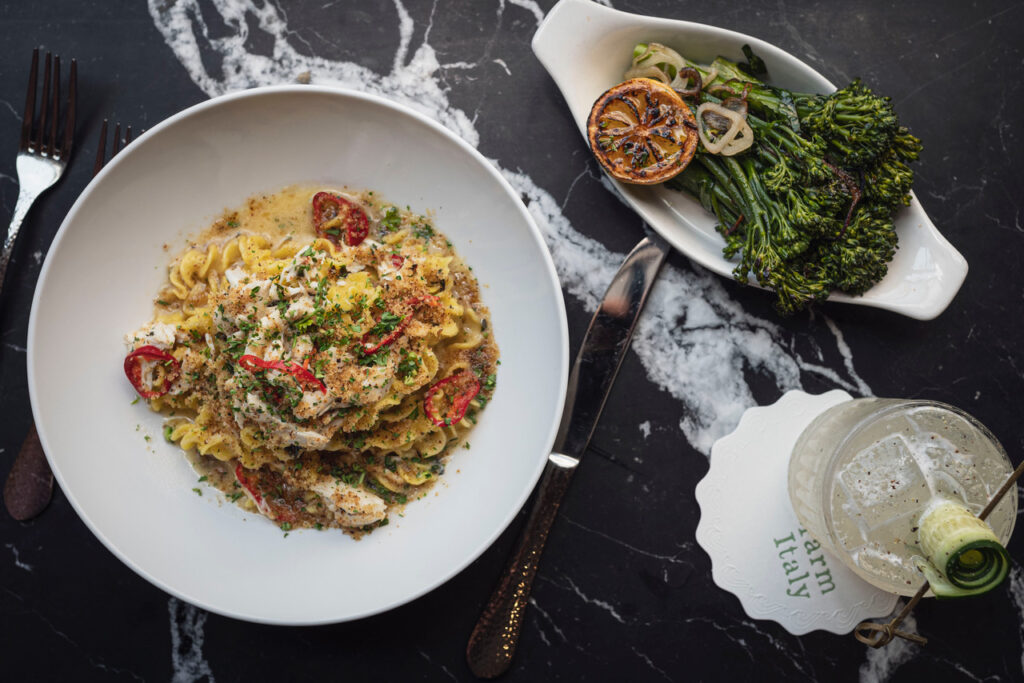
Greater Huntington coverage is funded in part by The Farm Italy, a striking neighborhood restaurant and cocktail bar bringing the simplicity, beauty and seasonal freshness of Italian dining to Huntington.
“You are what you eat” isn’t just a saying for Don DiLillo — it’s the foundation of his business.
The founder Lillo Farm in Huntington is focused on bringing microgreens, sprouts and other “living foods” to a wider audience, pitching them as a simple way to boost nutrition without overhauling an entire diet.
Harvested at an early stage, these foods pack concentrated levels of vitamins, minerals and enzymes, making them among the most nutrient-dense options available, DiLillo said.
Lillo Farm operates as a microgreens farm, with offerings rapidly expanding to include baked goods, such as sourdough bread and cookies, as well as outdoor crops like arugula, lettuce, radishes, salad turnips and carrots.
For DiLillo, 33, it all started with a desire to build something of his own.
“I always knew I wanted to be an entrepreneur… I always had that entrepreneurial itch,” he said.
DiLillo holds a degree in sustainable energy management from SUNY’s College of Environmental Science and Forestry at Syracuse University.
It was there that he was introduced to environmental systems like aquaponics — which combines aquaculture, or raising fish, with hydroponics, the practice of growing plants in water — in a symbiotic, recirculating system that is highly efficient, eco-friendly and allows for soil-free, year-round food production.
“I loved everything about it,” he said. “I thought it was so cool.”
It all started in 2016
After graduating from Syracuse in 2015, DiLillo said he gained hands-on experience working at several local farms on Long Island, along with a range of other jobs, including a position with an LED lighting company.
He later recalled coming across numerous YouTube videos about starting a microgreens business — an idea that appealed to him, he said, because he didn’t have much “time, money or space.”
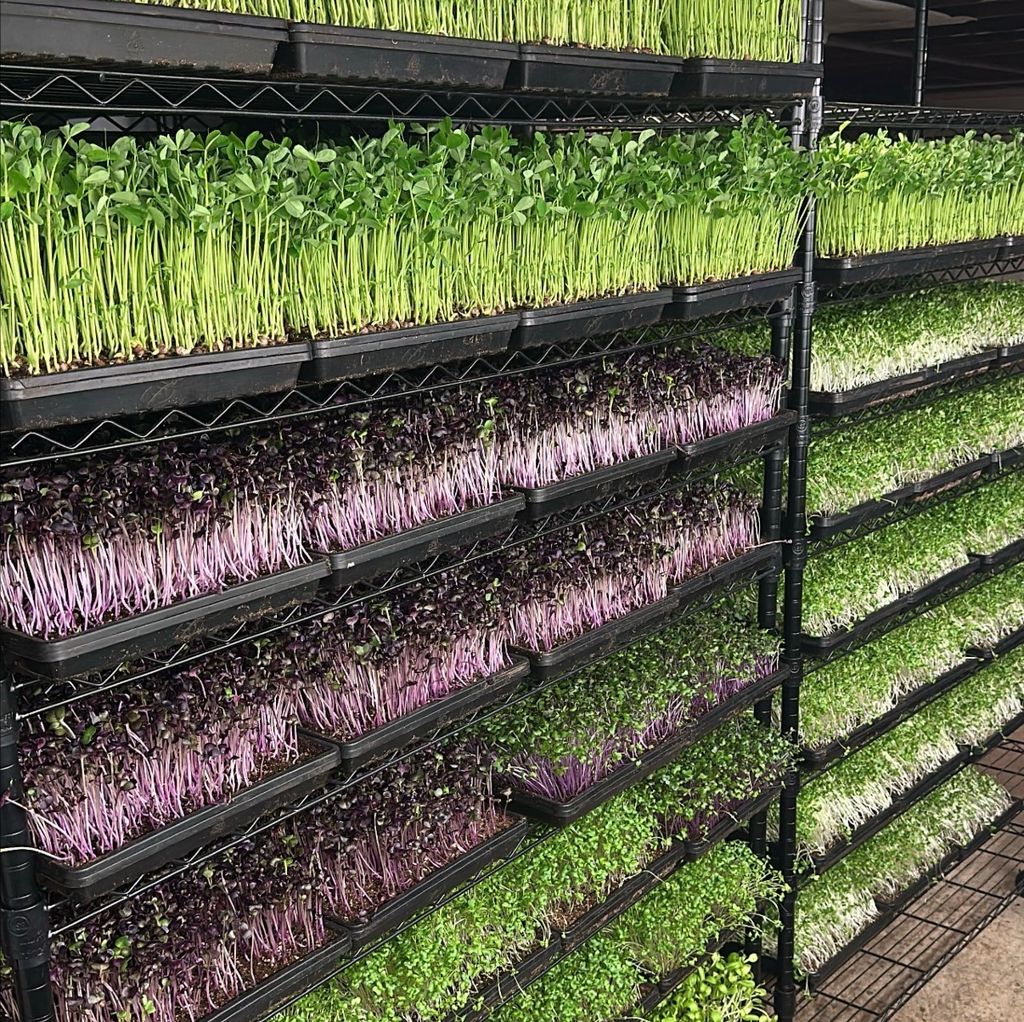
“I started my first microgreens business in 2016, in the corner of my dad’s basement, where my dad’s drum set was located,” DiLillo noted.
He says he had three racks where he grew his microgreens and that within about a year, all the money he had made back all of the money he had invested in the business. It served as confirmation that the business was indeed profitable.
“I then moved out of my parent’s basement and into my first farm, which was an old, run-down deli,” he recalls, adding that he “outgrew that space within a year, and ended up making about $100,000 right off the bat.”
DiLillo’s next move was to Rexer’s Family Farm in Huntington, followed by another urban farm.
“I then shutdown the business for a year and did a big remodel for the farm where I currently reside,” which he noted is also where he now lives, in the Huntington house where his dad was raised.
Along the way, DiLillo had started a YouTube channel that instructs people on how to grow their own microgreens. He said he was doing “very well as a consultant,” but his main focus was getting his farm going, which eventually would become Lillo Farms.
“I know how annoying it is to eat healthy, especially with everyone on Long Island so busy all the time, a big part of the business model is to make it convenient,” he said.
Nutrient rich
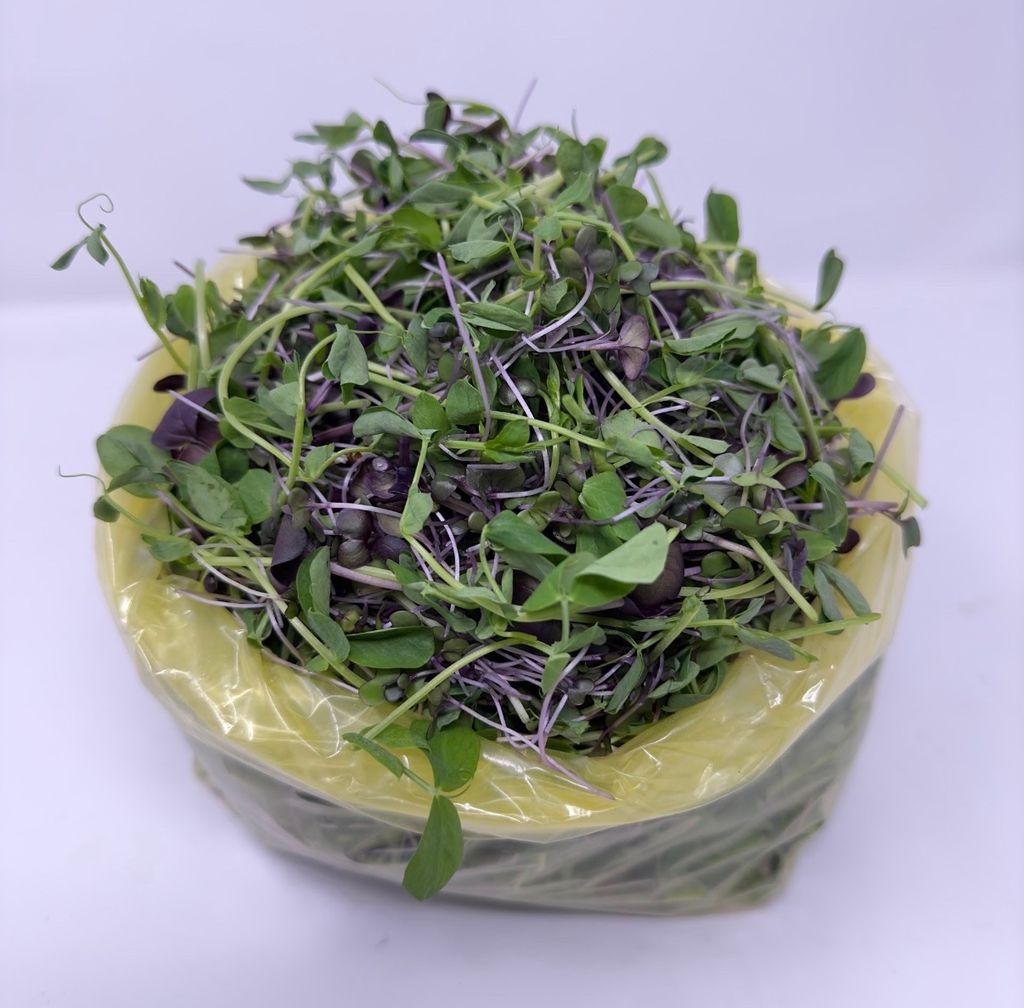
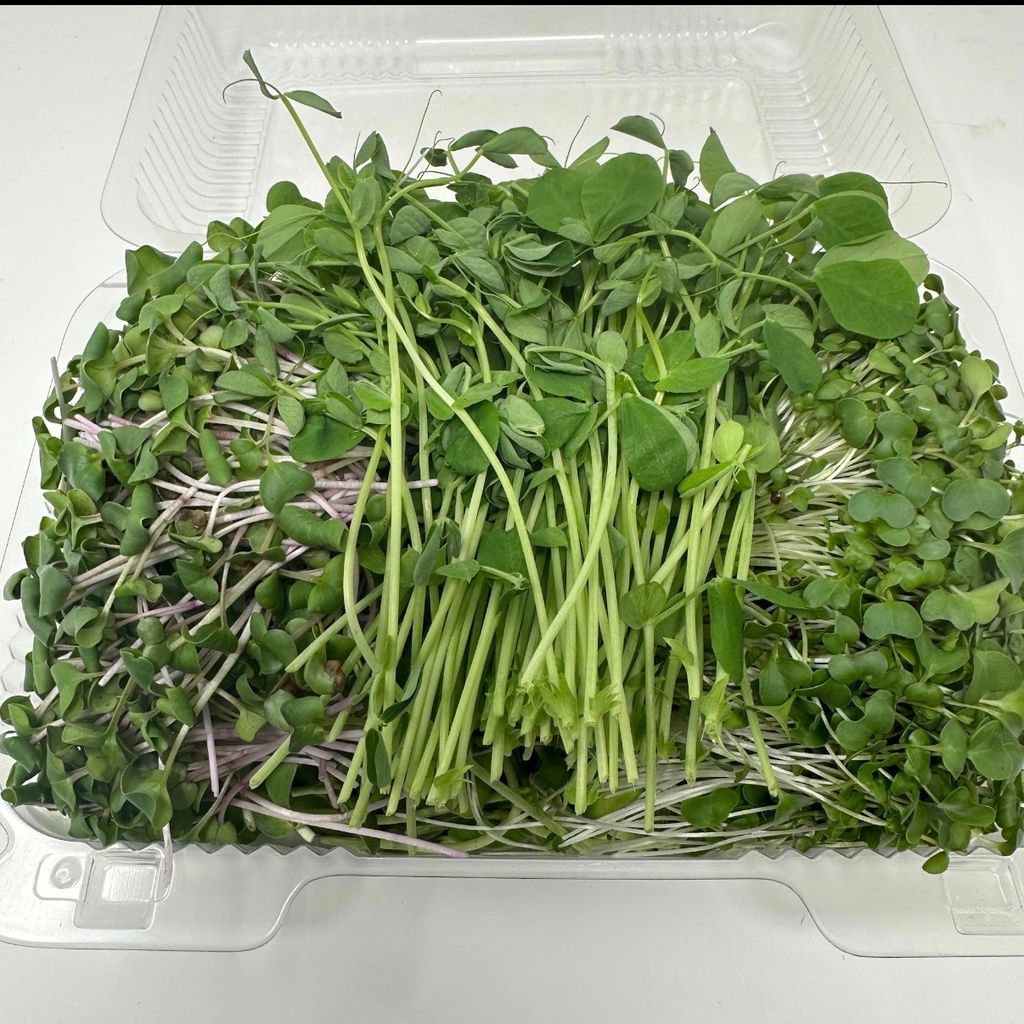
Microgreens, DiLillo said, are essentially the early forms of vegetables.
“We only grown them for one or two weeks, depending on the variety,” he said. “They’re harvested at a young age and all the vitamins and nutrients are concentrated as opposed to the fully mature vegetables, such as radishes, broccoli, or kale.
“The microgreens are packed with nutrition so people can eat less vegetables but get the same amount of nutrition. The tastes are very similar to the adult versions of the full vegetables,” he continued, adding that they’re easier to eat and digest and not as fibrous as the more mature vegetable versions.
In terms of just how much more nutritious, DiLillo said that most microgreens are anywhere from five to eight times more nutritious than their counterpart, adult versions. Broccoli microgreens, in particular, has been determined to be as high as 40 times the nutritional value of the standard vegetable.
“People add them to salads, soups, stir-frys, or even smoothies,” he said.
While Lillo Farm itself is not currently open to the public, DiLillo sells his microgreens and baked goods to health-conscious consumers. They get their microgreens delivered weekly, via subscriptions, DiLillo explained.
People can sign-up via his website for weekly subscriptions and delivery.
“Everything is grown to order and then delivered direct to homes,” he said.
DiLillo’s customers generally give his microgreens service rave reviews, with customers reporting having more energy and better health overall.
What’s next
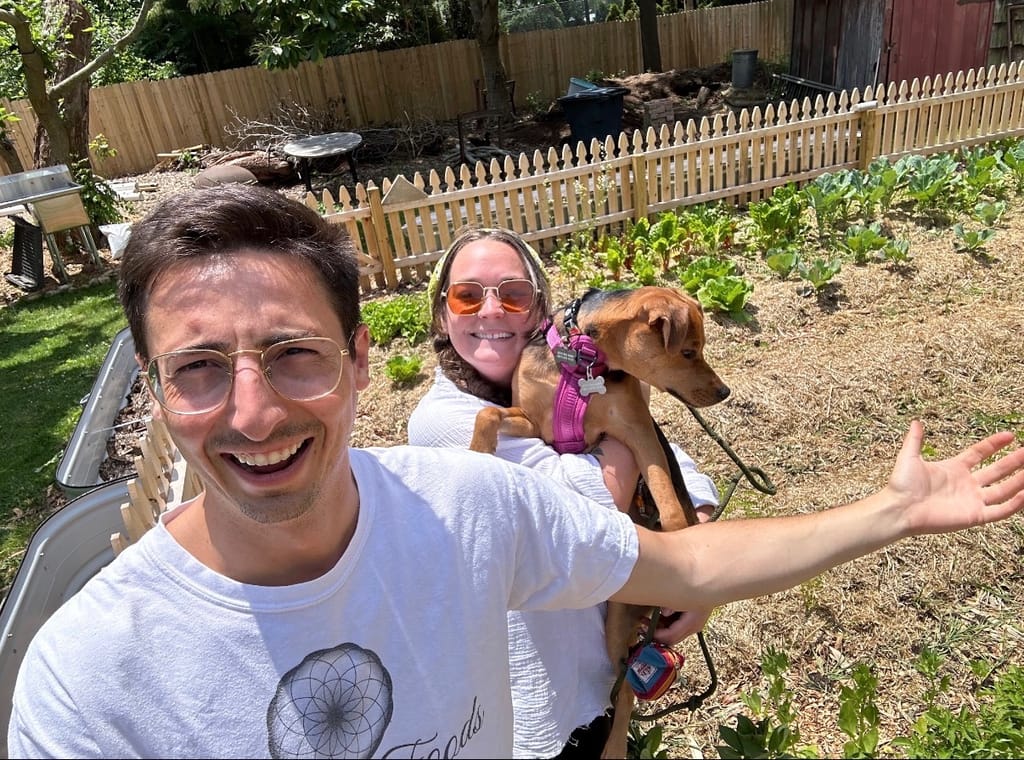
Looking ahead, DiLillo’s future plans include having a farm stand at his Huntington farm for people to sample his products. The stand would eventually include cut flowers, fully grown fruits, raw honey and mushrooms, as well as his all-organic and non-GMO sourdough bread and cookies.
Asked about his overall philosophy, DiLillo points to one that helps the environment.
“Farming and gardening can solve a lot of the world’s problems,” he said. “It’s about the environment, the land and the earth and not using chemicals. Instead, looking at natural ecosystems, working with the local community and giving people access to healthy foods at a fair price.
“I want to make peopole helathier and more self sufficient… set an example to be less reliant on outside forces,” DiLillo added.
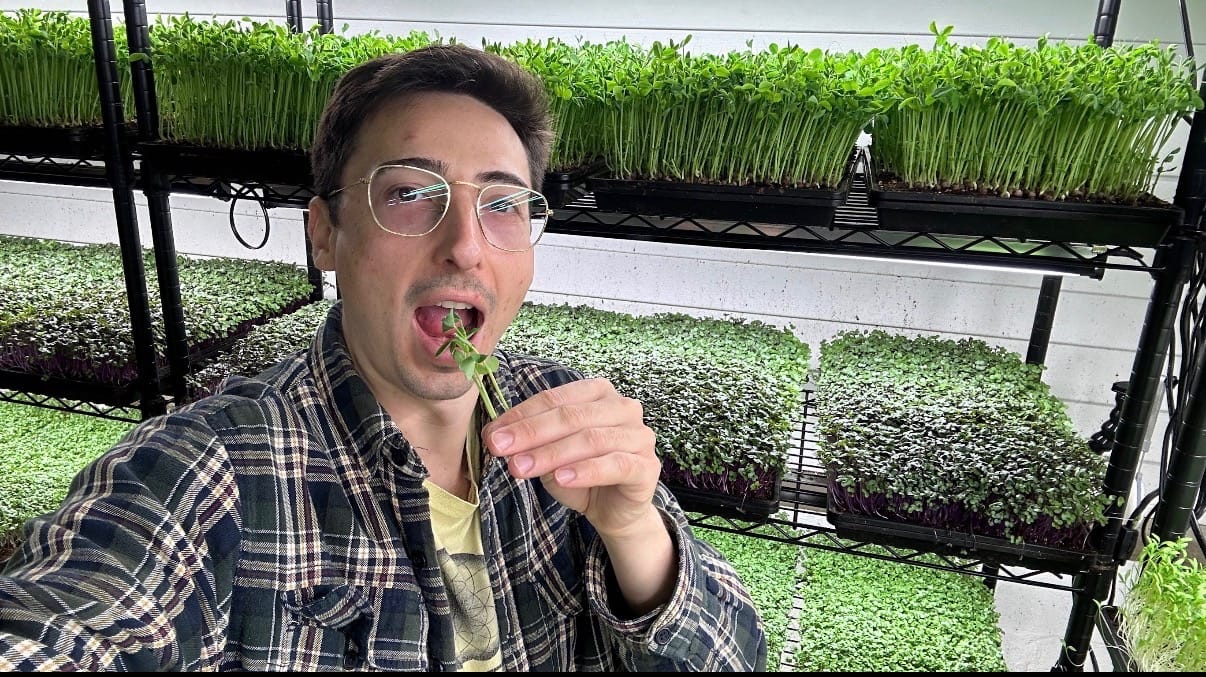
Top: Don DiLillo at Lillo Farm in Huntington (Alan Krawitz photo)

Your Long Island news, delivered.
Subscribe to the GLI Newsletter — its free