
With temperatures dropping and strong winds whipping through, it’s important to take steps to protect your home and family from the cold.
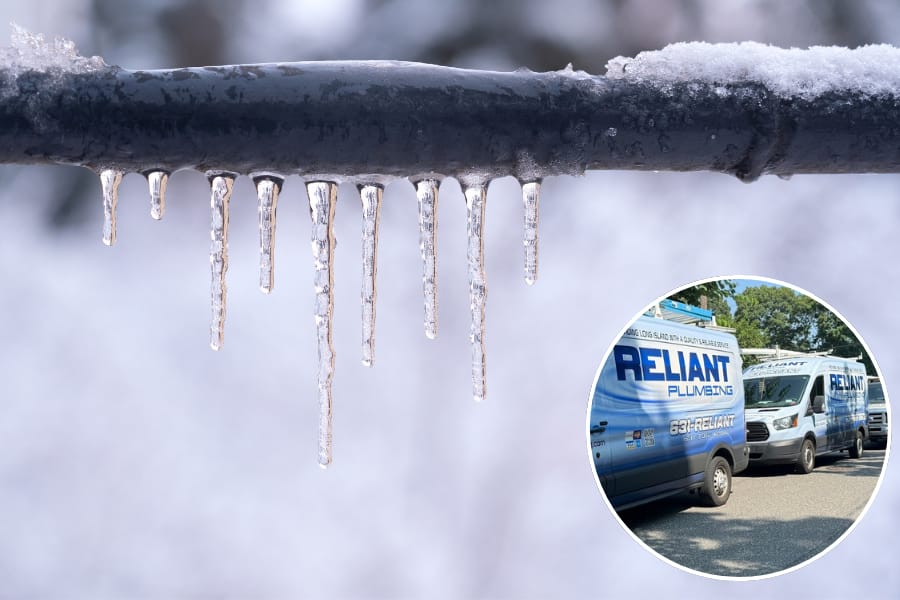
One of the biggest concerns during this time of year is frozen pipes, says Frank Esposito, master plumber and president of Long Island’s Reliant Plumbing and Heating.
“Pipes start freezing at temperatures around 20 degrees Fahrenheit or below,” Esposito explains. “But temperature is just one factor. Wind chill also plays a role. If a home is poorly insulated or has plumbing along exterior walls, drafts can cause pipes to freeze.”
If you turn on a faucet and no water comes out, Esposito warns that you likely have a frozen pipe. “Don’t try to fix it yourself,” he advises. “Time is not on your side — the longer you wait, the greater the risk of the pipe bursting. Call a professional immediately.”
The dangers of frozen pipes
- Pipe bursts – When water freezes, it expands, which can cause pipes to burst. Once the pipes thaw, leaks can lead to severe water damage.
- Loss of water access – Frozen pipes block water flow, leaving your home without running water. This can be especially problematic for heating and sanitation.
- Potential flooding – If a frozen pipe bursts, the resulting flooding can cause structural damage, mold growth, and costly repairs.
- Expensive repairs – Fixing burst or damaged pipes can be expensive and often requires a professional plumber.
- Safety hazards – Leaking water from burst pipes can create slippery conditions and other hazards inside the home.
Expert tips to prevent frozen pipes
To help homeowners stay protected, Esposito offers these five preventative tips:
- Insulate exposed pipes – Pipes located on exterior walls or in unheated areas should be insulated to reduce exposure to freezing temperatures.
- Let faucets drip slightly – Keeping water moving prevents it from freezing inside the pipes.
- Disconnect and drain outdoor hoses, and shut off exterior faucets – This removes water from exposed pipes and faucets, reducing the risk of freezing.
- Shut off the main water supply and drain pipes if you’re away – This prevents any remaining water in the pipes from freezing and causing damage while you’re gone.
- Have a plumber add antifreeze to baseboard heating systems – Antifreeze protects pipes in case of heating system failure, preventing the water inside from freezing.
By taking these precautions, you can safeguard your home from the costly and hazardous effects of frozen pipes. To speak to an expert, call Reliant Plumbing at 631-735-4268.
Photo credit: iStock/Getty Images

Your Long Island news, delivered.
Subscribe to the GLI Newsletter — its free