

Greater Long Island coverage is funded in part by Toresco & Simonelli, a boutique injury and family law firm in West Islip. They fight for their clients. Click here to get in touch.
For more than a century, the rumble of hooves, the buzz of bettors and the dreams of horseplayers have echoed through Aqueduct Racetrack in Queens.
Now, one of New York racing’s most storied venues is preparing for its final furlong.
Aqueduct Racetrack will close permanently following its very last race card on June 28, bringing an end to a run that began in 1894 and helped shape generations of racing fans, jockeys and horsemen. The closure will consolidate operations for the New York Racing Association at the newly rebuilt Belmont Park and historic Saratoga Race Course, according to an announcement.
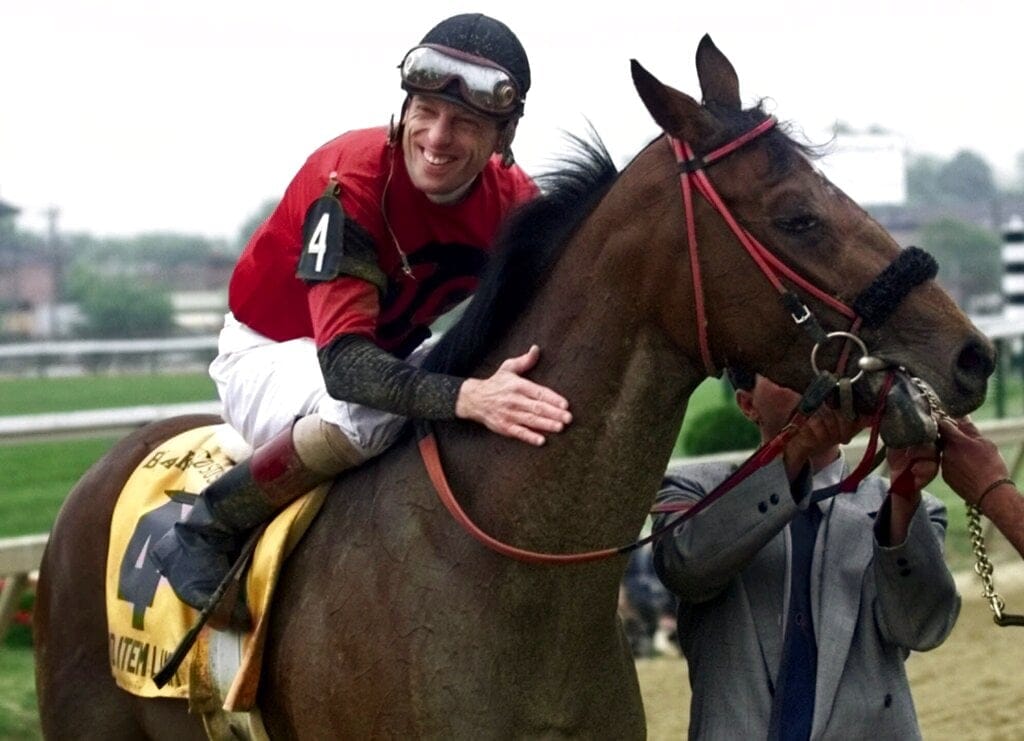
For former jockey Richard Migliore, the track’s all-time leading rider with 2,238 victories at Aqueduct, saying goodbye won’t be easy.
“Aqueduct was the beginning of everything for me,” Migliore penned in column being distributed by New York Racing Association. “I went there and knew right away what I wanted to do with the rest of my life.”
Growing up just a few miles away, Migliore remembers riding the train with his father and listening to fellow passengers debate their bets before arriving at the track.
“I fell in love with the place. I fell in love with the sport there — and I’ve been in love with the game ever since,” he said.
A track built for the everyday fan
While tracks like Jerome Park and Morris Park catered to wealthy socialites in the late 1800s, Aqueduct’s roots were far more humble.
Built on former farmland in Ozone Park, the track opened with a simple grandstand that seated just 2,000 people. In fact, crops were still being grown in the infield when racing first began there.
Over the decades, Aqueduct steadily evolved from an upstart “outlaw track” into one of the sport’s most recognizable venues.
Legends including Man o’ War, Secretariat, Kelso, Buckpasser, Dr. Fager and Cigar all competed there. The track hosted five editions of the Belmont Stakes while Belmont Park underwent renovations, welcomed the Breeders’ Cup in 1985 and even served as the site of a mass celebrated by Pope John Paul II before an estimated 75,000 people in 1995.
Hollywood found its way there, too, with scenes from “A Bronx Tale” and HBO’s “The Sopranos” filmed at the venue.
The heart of New York racing
For many racing fans, Aqueduct’s greatest legacy wasn’t its famous races or celebrity visitors.
It was the people.
“I’ve always felt that Aqueduct has been a bit underrated, an underdog track if you know what I mean,” Migliore writes.
“The best and most knowledgeable fans in the sport that I’ve encountered are typically at Aqueduct. They know the game and they’re tough. They can get on you, but when they do, it’s not without reason.”
He added: “Aqueduct has been such an amazing blue-collar track and, really, the heart of New York racing.”
One final weekend
The New York Racing Association plans a farewell celebration during Closing Weekend on June 27 and 28, giving longtime fans one last chance to walk through the gates of the Big A before it becomes part of racing history.
Migliore says he’s excited about the future of racing at the new Belmont Park, but acknowledges something irreplaceable will be lost when Aqueduct closes.
“However, that change comes with the price of losing a big piece of our history. Aqueduct has always been New York City’s racetrack — that’s how I’ll remember it.”
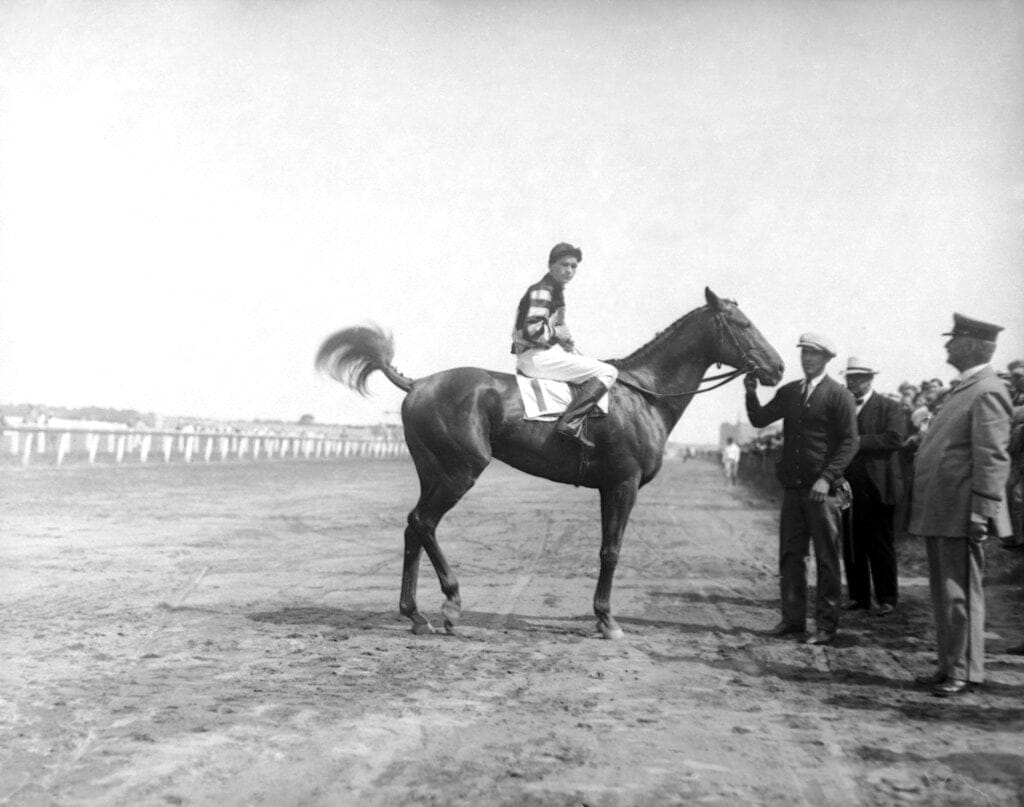
Top: “Armenian Flag” with Johnson up at Aqueduct racetrack in Ozone Park, Queens, New York, in 1925. (AP Photo)

Your Long Island news, delivered.
Subscribe to the GLI Newsletter — its free